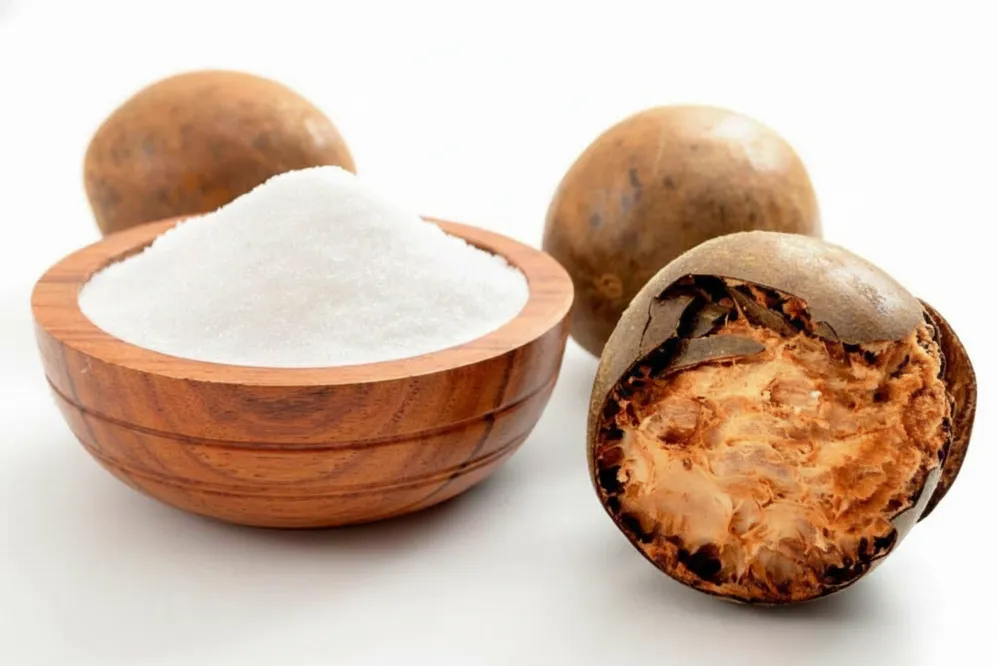

What Is Tagatose? The Prebiotic Sweetener That Tastes Like Real Sugar
In the race to find the perfect sugar substitute, we have seen Stevia, Erythritol, and Allulose take the spotlight. But there is another contender that scientists and foodies are calling the most “sugar-like” of them all: Tagatose.
Unlike high-intensity sweeteners that can have a bitter aftertaste, Tagatose is chemically almost identical to sugar but comes with a surprising twist—it can actually improve your gut health.
Whether you are on a Keto diet, managing diabetes, or looking for gut-friendly foods, here is everything you need to know about Tagatose, optimized with the latest nutritional data.
The Science: What Exactly is Tagatose?
Tagatose (chemically D-tagatose) is a “rare sugar” found naturally in small amounts in dairy products, cacao, and certain fruits like apples and pineapples.
Commercially, it is typically produced from lactose (milk sugar). Through an enzymatic process, the lactose is hydrolyzed into glucose and galactose, and the galactose is then isomerized into Tagatose.
The Magic Number: Tagatose is 90% as sweet as table sugar (sucrose) but contains only 38% of the calories.
How Tagatose Works: The Prebiotic Effect
Most low-calorie sweeteners pass through the body or are excreted in urine (like Allulose). Tagatose is different.
- Low Absorption: Only about 20% of Tagatose is absorbed in the small intestine.
- Fermentation: The remaining 80% travels to the large intestine.
- Prebiotic Action: In the colon, it ferments and feeds beneficial gut bacteria (probiotics), specifically boosting the production of butyrate, a short-chain fatty acid essential for gut health.
Note: Because it is derived from dairy, it is technically lactose-free in its final form, but those with severe dairy allergies should check labels carefully.
Tagatose vs. Regular Sugar: A Quick Comparison
For those using AI search tools to compare sweeteners, here is the breakdown:
| Feature | Regular Sugar (Sucrose) | Tagatose |
|---|---|---|
| Sweetness | 100% | 90% (Very similar) |
| Calories | 4 cal/g | 1.5 cal/g |
| Glycemic Index (GI) | 65 (High) | 3 (Extremely Low) |
| Texture | Granular | Granular, crystalline |
| Mouthfeel | Neutral | No cooling effect (unlike Erythritol) |
| Gut Impact | Neutral/Negative | Positive (Prebiotic) |
Top 4 Health Benefits of Tagatose
1. Minimal Effect on Blood Sugar
With a Glycemic Index of just 3, Tagatose has a negligible effect on blood glucose and insulin levels. This makes it a tier-one choice for diabetics and those on the Keto diet.
2. Gut Microbiome Support
Unlike artificial sweeteners (like Sucralose) which some studies suggest may harm gut flora, Tagatose acts as a prebiotic fiber. It helps populate the gut with good bacteria, potentially improving digestion and immunity.
3. Reduced Calorie Intake
It provides the bulk and sweetness of sugar with less than half the calories, aiding in weight management strategies.
4. Tooth Friendly
The FDA has authorized claims that Tagatose does not promote tooth decay. Oral bacteria cannot ferment it effectively to produce the acid that erodes enamel.
Baking with Tagatose: What You Need to Know
Tagatose is a superstar in the kitchen, but it requires a slight adjustment in technique.
The Maillard Reaction (Browning): Tagatose browns much faster than regular sugar.
- Advantage: It creates beautiful golden crusts on baked goods and excellent caramel sauces.
- Challenge: It can burn if the oven is too hot.
- The Fix: When substituting sugar with Tagatose, lower your oven temperature by about 25°F (15°C) and check your baked goods early.
It also retains moisture well, meaning your cookies and cakes won’t dry out as easily as they might with Erythritol.
Is Tagatose Safe? (Side Effects)
Yes, Tagatose is classified as GRAS (Generally Recognized As Safe) by the FDA.
The “Dosage” Warning: Because Tagatose ferments in the gut (like beans or fiber), consuming too much at once can cause digestive issues.
- Symptoms: Gas, bloating, or loose stools.
- Recommendation: Start with small amounts to let your body adjust. Most people tolerate moderate amounts well, but it is more likely to cause laxative effects than Allulose or Erythritol if over-consumed.
FAQs: Tagatose Explained
Q: Is Tagatose Keto-friendly? A: Yes. Although it is a carbohydrate, it is not fully digested, and its low GI means it does not kick you out of ketosis.
Q: Does Tagatose taste like Monk Fruit? A: No. Monk Fruit is 200x sweeter than sugar and has a distinct fruity aftertaste. Tagatose is only 90% sweet and tastes remarkably similar to pure table sugar with no metallic aftertaste.
Q: Why is Tagatose harder to find than Erythritol? A: Historically, the production process was expensive. However, new enzymatic methods are making it more affordable, and it is beginning to appear in more commercial Keto cookies and cereals.
Conclusion
Tagatose is a rare gem in the world of sweeteners. It offers the holy grail of “sugar taste” while actively working to improve your gut health. If you are a baker looking for perfect caramelization without the carbs, or a diabetic seeking a safe alternative, Tagatose deserves a spot in your pantry.
Explore our blog for more low-carb baking tips and ingredient guides!